Low Ferritin Fatigue Symptoms in Kansas City: Why “Normal” Iron Levels Can Still Leave You Exhausted
Across Kansas City, Lee’s Summit, Blue Springs, Independence, Raytown, Grain Valley, Greenwood, and surrounding communities in the KC metro, many people describe the same frustrating pattern: constant tiredness, brain fog, low motivation, and that heavy drained feeling—even when they’re getting decent sleep, eating well, and staying active. Routine blood work often comes back “normal,” anemia gets ruled out, and the explanation stops there. Yet the exhaustion continues.
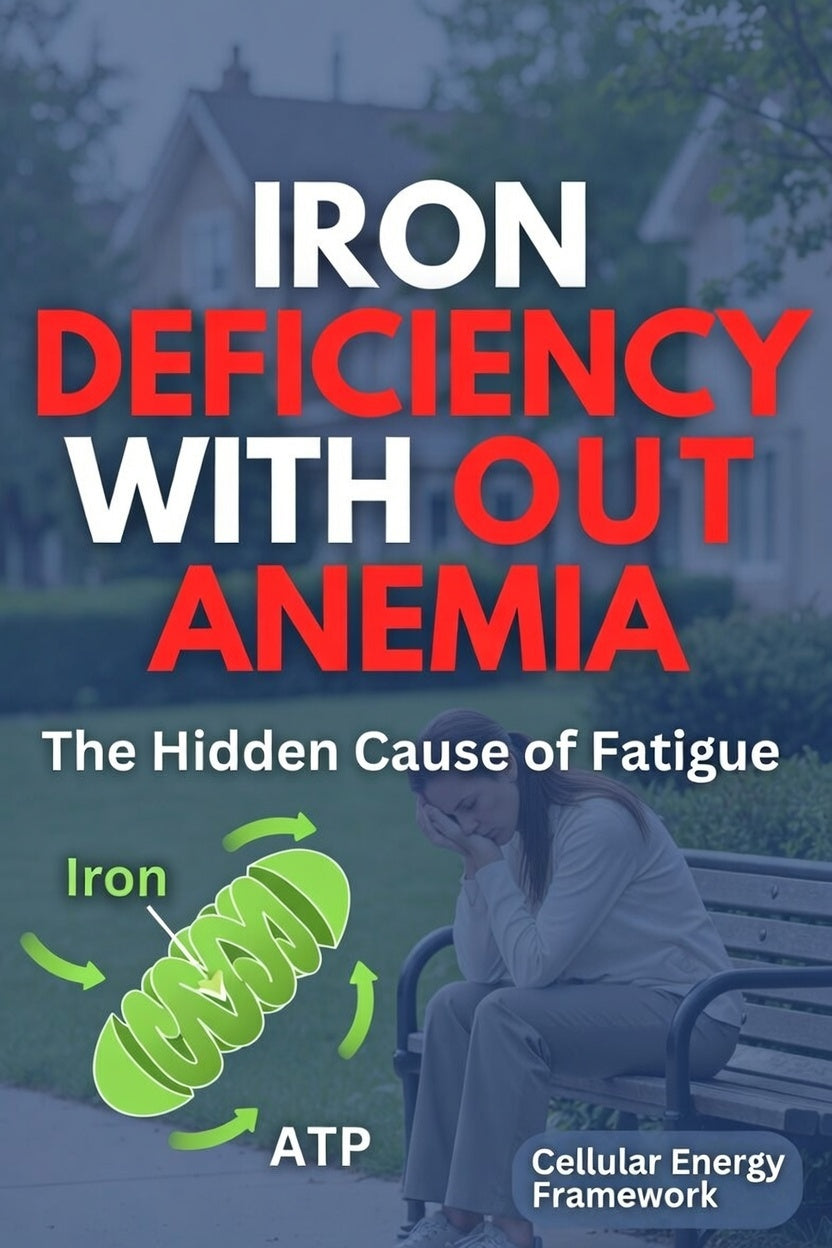
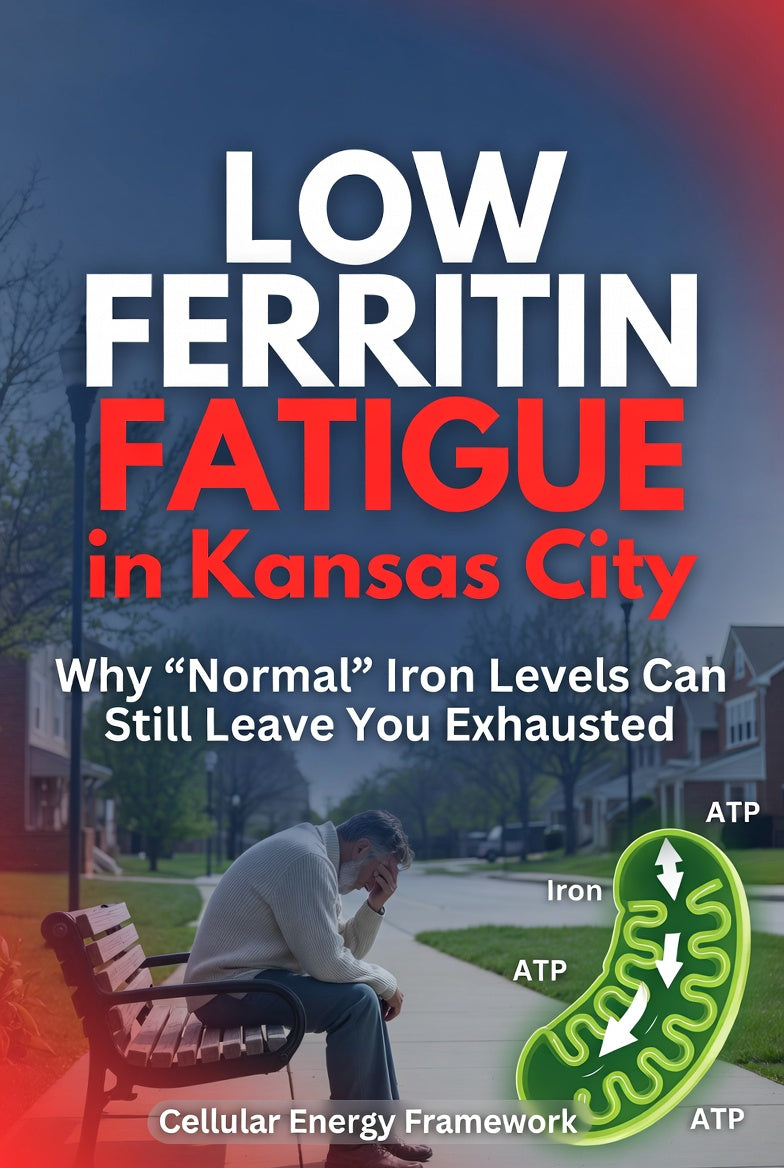
A frequently overlooked explanation is low ferritin—the storage form of iron in the body. When ferritin levels drop, oxygen delivery to tissues and mitochondrial ATP production become less efficient long before hemoglobin shows anemia. This creates iron deficiency without anemia, a pattern that standard testing often misses but that functional health approaches frequently identify as a key contributor to persistent fatigue.
This educational overview explores low ferritin symptoms, why “normal” iron labs can still mean low energy, and how these patterns fit into broader cellular and nutrient frameworks.
What Ferritin Does and Why It Matters for Energy
Ferritin is the protein that stores iron in cells and releases it when the body needs it for essential functions:
- Oxygen transport to tissues
- Mitochondrial metabolism and ATP (cellular energy) production
- Neurological signaling and cognitive clarity
- Immune support and recovery
When iron reserves are low, mitochondria—the cell's energy factories—struggle to generate ATP efficiently. This directly ties into the Cellular Energy Framework, which explains how fatigue can develop from reduced mitochondrial output even when no disease is present.
Common Low Ferritin Symptoms Seen in the Kansas City Area
Symptoms often appear gradually, and many people simply adapt to lower energy without connecting it to a nutrient pattern. Typical signs include:
- Persistent fatigue that doesn’t improve with rest
- Brain fog, difficulty concentrating, or mental sluggishness
- Low motivation and mood dips
- Reduced exercise tolerance or quick burnout during activity
- Hair thinning or increased shedding
- Feeling unusually cold (especially hands and feet)
- Shortness of breath with mild exertion
- Slower recovery from stress, workouts, or illness
These overlap heavily with common complaints in places like Lee’s Summit, Independence, Raytown, Blue Springs, Grain Valley, Greenwood, Belton, Raymore, and other nearby communities—high-stress lifestyles, demanding schedules, variable weather, and inconsistent nutrition can make subtle deficiencies more noticeable.
If you’re noticing some of these patterns in your own day-to-day life and are curious how they might connect to your labs, feel free to reach out — we’re right here in the Kansas City area and happy to answer questions or point you toward helpful resources.
Iron Deficiency Without Anemia: The Hidden Pattern
One of the most misunderstood lab findings is iron deficiency without anemia:
- Hemoglobin remains in the normal range (no overt anemia)
- Serum iron may appear adequate
- But ferritin is low (often below 50 ng/mL, sometimes 20–40 ng/mL)
In this state, the body prioritizes iron for survival essentials (like oxygen transport), leaving less available for energy-intensive processes: ATP generation, cognitive performance, recovery, and overall vitality. Functional perspectives often target ferritin levels of 50–100+ ng/mL (or higher) for optimal energy and symptom relief—well above the standard reference ranges that focus only on avoiding disease.
The “Normal Range” Limitation and Why It Misses Fatigue
Standard laboratory reference ranges are designed to detect overt disease, not subtle metabolic inefficiencies. Ferritin can fall within the “normal” zone while still being suboptimal for mitochondrial function and daily energy production. This explains why so many people in Lee’s Summit, Blue Springs, Independence, Raytown, Grandview, Belton, and Kansas City feel exhausted despite “perfect” blood work.
Nutrients That Influence Iron Metabolism
Iron metabolism is interconnected with other nutrients:
- Copper — supports iron transport and utilization
- Magnesium — activates ATP and supports mitochondrial efficiency (see Magnesium and ATP: Why It Matters for Energy, Fatigue, and Mitochondrial Health)
- B vitamins, vitamin D, and others that feed into the Krebs cycle and electron transport chain
These relationships highlight the Metabolic Nutrient Framework—a single low marker can create broader energy challenges.
Hydration and Circulation Amplify the Effects
Poor hydration or electrolyte imbalances reduce blood volume and impair nutrient/oxygen delivery, making low-ferritin effects worse. This connection is covered in Hydration & Electrolytes: The Missing Link in Fatigue, Lab Results, and Cellular Energy.
Why Low Ferritin Patterns Appear Frequently in Kansas City
Local lifestyle factors—including chronic stress, high-demand jobs, seasonal changes, variable diets, and active routines—can increase iron requirements or reduce absorption. When these combine, subtle ferritin declines often show up as unexplained fatigue in communities like Lee’s Summit, Independence, Raytown, Blue Springs, Grain Valley, Greenwood, Pleasant Hill, Lone Jack, Belton, Raymore, Harrisonville, Oak Grove, Grandview, and other nearby areas.
For a local educational resource, see Blood Lab Interpretation in Lee’s Summit.
A Systems-Based Perspective on Fatigue
Energy levels are rarely determined by one marker alone. They reflect the interplay of:
- Nutrient status
- Hydration and electrolyte balance
- Inflammation
- Mitochondrial health
CelluShine’s educational approach helps individuals better understand these patterns in blood work to make sense of symptoms like fatigue and low motivation—without diagnosing or treating disease.
Explore the full model on the CelluShine homepage or read about our perspective on Functional Medicine in Lee’s Summit.
If any of this resonates and you’d like to chat about what you’re seeing in your own labs or symptoms, you’re always welcome to drop us a message — we’re local and glad to help clarify things.
Ready to Explore Your Patterns?
If low ferritin or these energy patterns sound familiar, uploading your recent labs is a simple way to get an educational report highlighting potential insights (starting at $97). It can help connect the dots between your markers and how you’re feeling.
Get Your Personalized Lab Insights Today → Start Here
Continue Reading
Explore more articles from our blog on fatigue, nutrients, and energy production:
- Iron, Ferritin, and Fatigue: How Low Iron Can Affect Cellular Energy A deeper look at iron’s role in mitochondria and why low stores cause energy drain.
- Magnesium and ATP: Why It Matters for Energy, Fatigue, and Mitochondrial Health Why magnesium is essential for turning nutrients into usable cellular energy.
- The Cellular Energy Framework: Why “Normal” Blood Tests Don’t Always Explain Fatigue How mitochondrial and metabolic patterns reveal hidden causes of tiredness.
- Hydration & Electrolytes: The Missing Link in Fatigue, Lab Results, and Cellular Energy How fluid balance and electrolytes affect nutrient delivery and energy output.
- Why You Can Feel Exhausted Even When Your Blood Tests Are “Normal” The common reasons standard labs miss subtle inefficiencies causing fatigue.
- 7 Blood Markers That Influence Cellular Energy Production Key blood markers tied to energy, fatigue, and brain fog patterns.
References
- Camaschella C. Iron deficiency. New England Journal of Medicine.
- Beard JL. Iron biology in immune function and metabolism. Journal of Nutrition.
- Haas JD, Brownlie T. Iron deficiency and reduced work capacity. American Journal of Clinical Nutrition.
- Ganz T, Nemeth E. Iron homeostasis in health and disease. Nature Reviews Immunology.