Low Ferritin but Normal Hemoglobin: Why You Can Still Feel Exhausted
This happens all the time.
You just reviewed your bloodwork.
“Hemoglobin is 13.2. That’s normal. You’re not anemic.”
You nod.
But inside you’re thinking:
“Then why am I so tired I can barely make it through the afternoon?”
“Why does climbing stairs leave me breathless?”
“Why is my hair falling out?”
Here’s what often wasn’t emphasized:
Ferritin.
Your iron reserves.
And that’s the difference between having enough gas in the tank right now…
and having enough fuel in reserve when your body actually needs it.
You can pass the anemia test — and still be running on empty.
You Were Told Your Labs Are Normal
Hemoglobin is within range.
No anemia.
Nothing “wrong.”
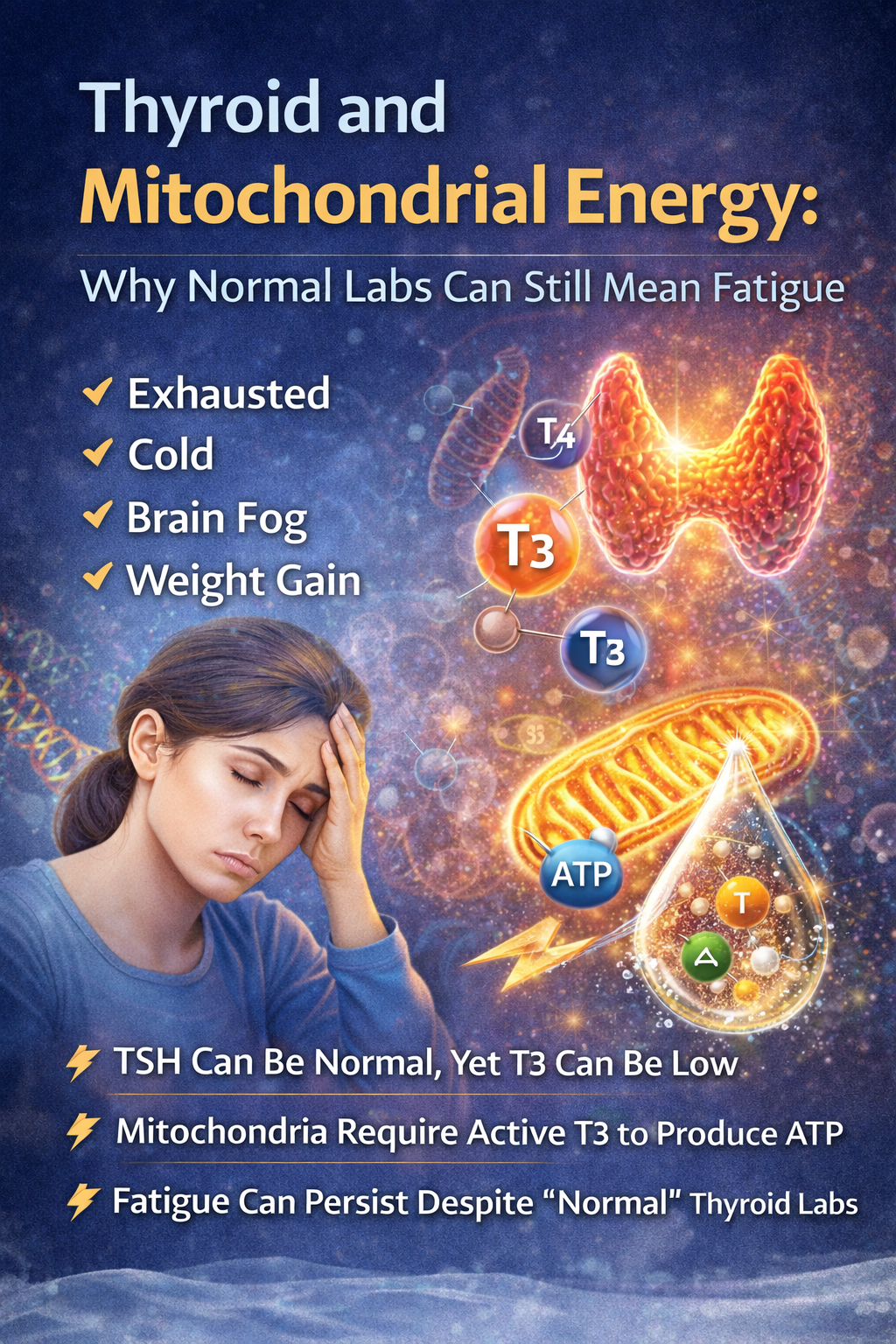
Yet you still feel:
-
Persistently tired
-
Mentally foggy
-
Short of breath during exertion
-
Slower to recover
-
Colder than usual
One of the most commonly overlooked patterns in fatigue cases is low ferritin with normal hemoglobin.
Understanding this distinction is essential — especially if you’re exploring mitochondrial health and trying to understand why your energy feels depleted despite “normal” lab results.
Ferritin vs. Hemoglobin: What’s the Difference?
Ferritin reflects your stored iron — your reserve supply.
Hemoglobin reflects iron currently being used to transport oxygen in red blood cells.
You can have normal hemoglobin and still have low iron reserves.
That creates a mismatch:
Oxygen delivery may appear sufficient, but cellular energy reserves are not optimized.
This is one reason many individuals relate to the discussion in Why “Normal” Labs Don’t Mean Optimal, where we explore the difference between disease detection and performance optimization.
Why Ferritin Matters for Energy Production
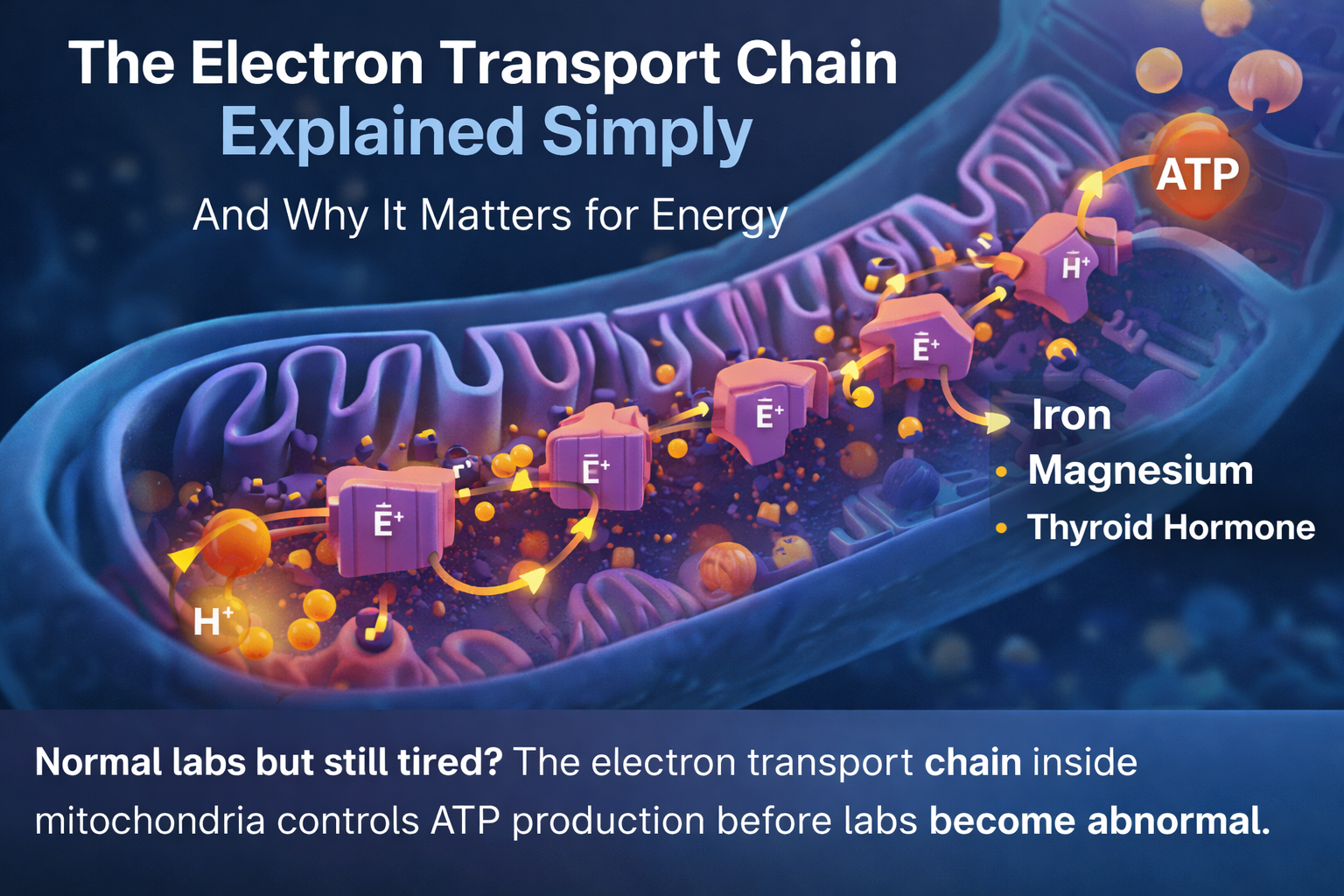
Iron plays a critical role in:
-
Oxygen transport
-
Electron transport chain activity
-
ATP production inside mitochondria
-
Cognitive and muscular performance
Inside the mitochondria, iron-containing enzymes support oxidative phosphorylation — the process that generates ATP, your body’s primary energy currency.¹
When ferritin is low, your body may ration iron availability.
Energy efficiency can decline long before hemoglobin drops into an anemic range.
If you’ve read Why Am I Tired If My Labs Are Normal?, this is one of the most common hidden contributors to that disconnect.
Research: Iron Deficiency Without Anemia Still Causes Fatigue
Scientific literature supports this pattern.
A randomized controlled trial published in BMJ demonstrated that iron supplementation improved fatigue in non-anemic women with low ferritin.²
Additional research in The American Journal of Clinical Nutrition shows that iron depletion impairs muscle function and aerobic capacity even when hemoglobin remains within normal limits.³
This reinforces an important principle:
You do not need anemia to experience iron-related fatigue.
Ferritin and Mitochondrial Health
Iron is required for:
-
Cytochromes in the electron transport chain
-
Iron-sulfur cluster enzymes
-
Efficient oxygen utilization
Without adequate iron reserves, mitochondrial output may decline.¹
This links directly back to the foundational concepts discussed in Mitochondrial Health Essentials, where cellular energy production is the core focus.
Energy is not just about oxygen transport.
It is about cellular efficiency.
Functional Ranges vs. Disease Ranges
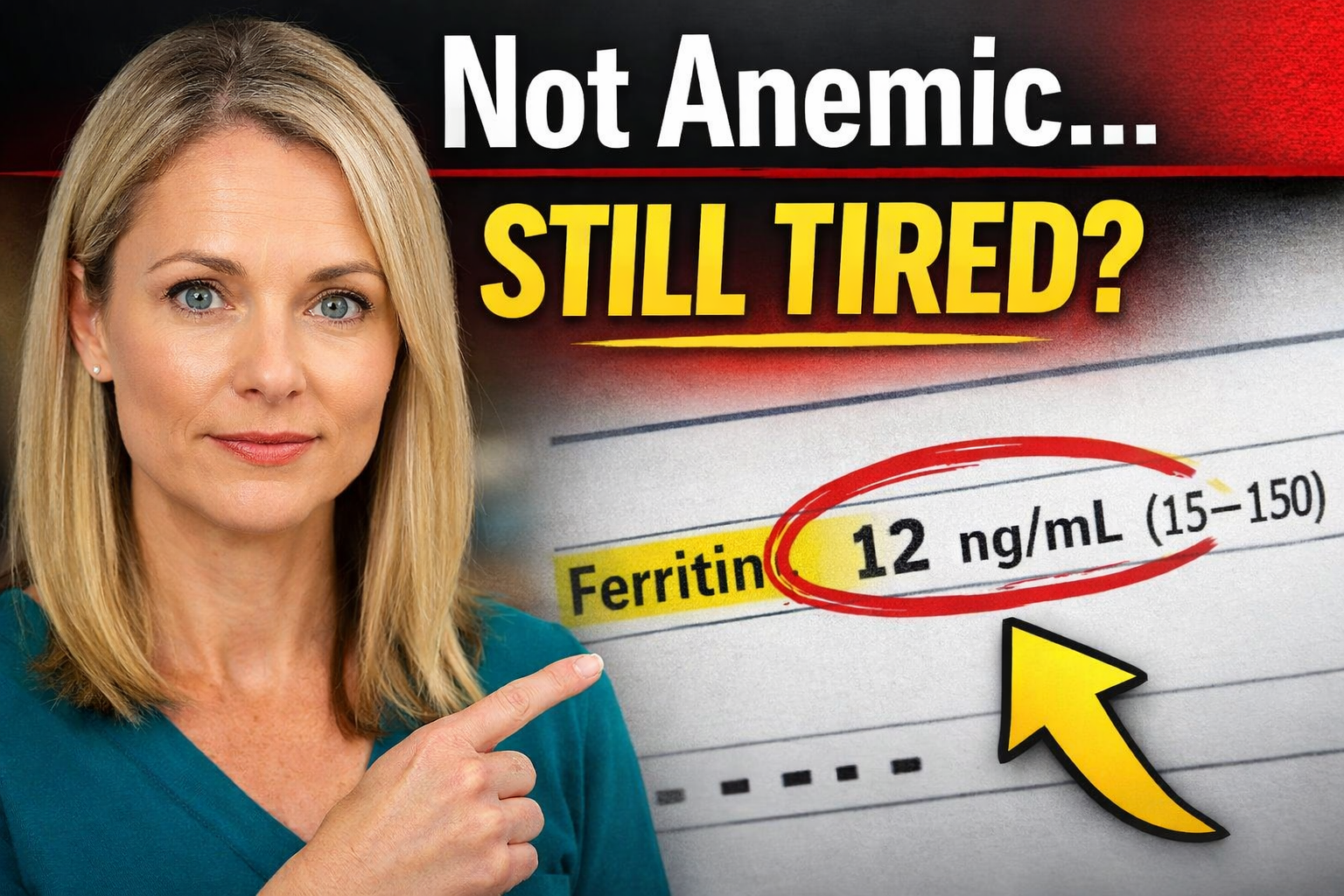
Most laboratories define ferritin deficiency at levels below 15–20 ng/mL.
However, research and clinical experience suggest some individuals experience fatigue at higher levels, particularly below 30–50 ng/mL depending on context.⁴
Standard reference ranges are built to detect disease.
They are not designed to optimize performance.
This is why someone can feel exhausted while still being told everything looks fine.
How Ferritin Interacts With Other Energy Markers
Low ferritin rarely exists in isolation.
It may coexist with:
-
Suboptimal magnesium (see Magnesium and ATP: Why It Matters)
-
Hydration imbalances
-
Thyroid inefficiency
-
Chronic stress load
-
Mitochondrial inefficiency
Fatigue is almost always a systems pattern.
Not a single-number issue.
Why Ferritin Often Gets Overlooked
Most evaluations focus on hemoglobin.
If hemoglobin is normal, iron deficiency is often ruled out.
But ferritin reflects reserves — not just output.
Energy challenges often appear before disease markers shift.
This is where a structured, educational review of lab patterns can provide clarity.
If you are trying to understand your results more comprehensively, you may find value in our Educational Blood Lab Interpretation overview.
Important: Iron Requires Balance
Iron should never be supplemented blindly.
Excess iron can contribute to oxidative stress and cellular damage.⁵
Proper evaluation includes:
-
Ferritin
-
Serum iron
-
Transferrin saturation
-
Total iron-binding capacity
-
Inflammatory markers
Iron metabolism is pattern-based — not isolated.
When to Consider a Closer Look
You may want to examine ferritin more carefully if you experience:
-
Persistent fatigue
-
Heavy menstrual cycles
-
Declining endurance
-
Brain fog
-
Hair shedding
-
“Normal” hemoglobin with unresolved symptoms
Low ferritin is common.
It is also commonly missed.
Final Perspective
Hemoglobin tells you whether anemia is present.
Ferritin helps determine whether iron reserves are adequate for optimal mitochondrial energy production.
If your goal is optimization — not just disease avoidance — ferritin deserves attention.
Understanding this distinction is often a key step toward resolving unexplained fatigue.
This content is educational in nature and not intended to diagnose or treat medical conditions.
📚 References
-
Rouault TA. Iron metabolism in the CNS: implications for neurodegenerative diseases. Nat Rev Neurosci. 2013.
-
Verdon F et al. Iron supplementation for unexplained fatigue in non-anaemic women: double blind RCT. BMJ. 2003;326:1124.
-
Haas JD, Brownlie T. Iron deficiency and reduced work capacity. Am J Clin Nutr. 2001;73(2):352-361.
-
Peeling P et al. Iron status and the acute post-exercise hepcidin response. Sports Med. 2014.
-
Kell DB. Iron behaving badly: inappropriate iron chelation and oxidative stress. BMC Med Genomics. 2009.
✅ FAQ SECTION
Can low ferritin cause fatigue even if hemoglobin is normal?
Yes. Research shows iron deficiency without anemia can impair energy and cognitive performance before hemoglobin declines.
What ferritin level is considered too low?
Most labs define deficiency below 15–20 ng/mL, but some individuals may experience fatigue at higher levels depending on clinical context.
Is ferritin connected to mitochondrial function?
Yes. Iron is required for enzymes within the mitochondrial electron transport chain that produce ATP.
Should iron be supplemented if ferritin is low?
Iron should only be considered after proper evaluation of a full iron panel, as excess iron may increase oxidative stress.