Low Ferritin and Extreme Fatigue: Why Your Iron Levels May Be Affecting Your Energy
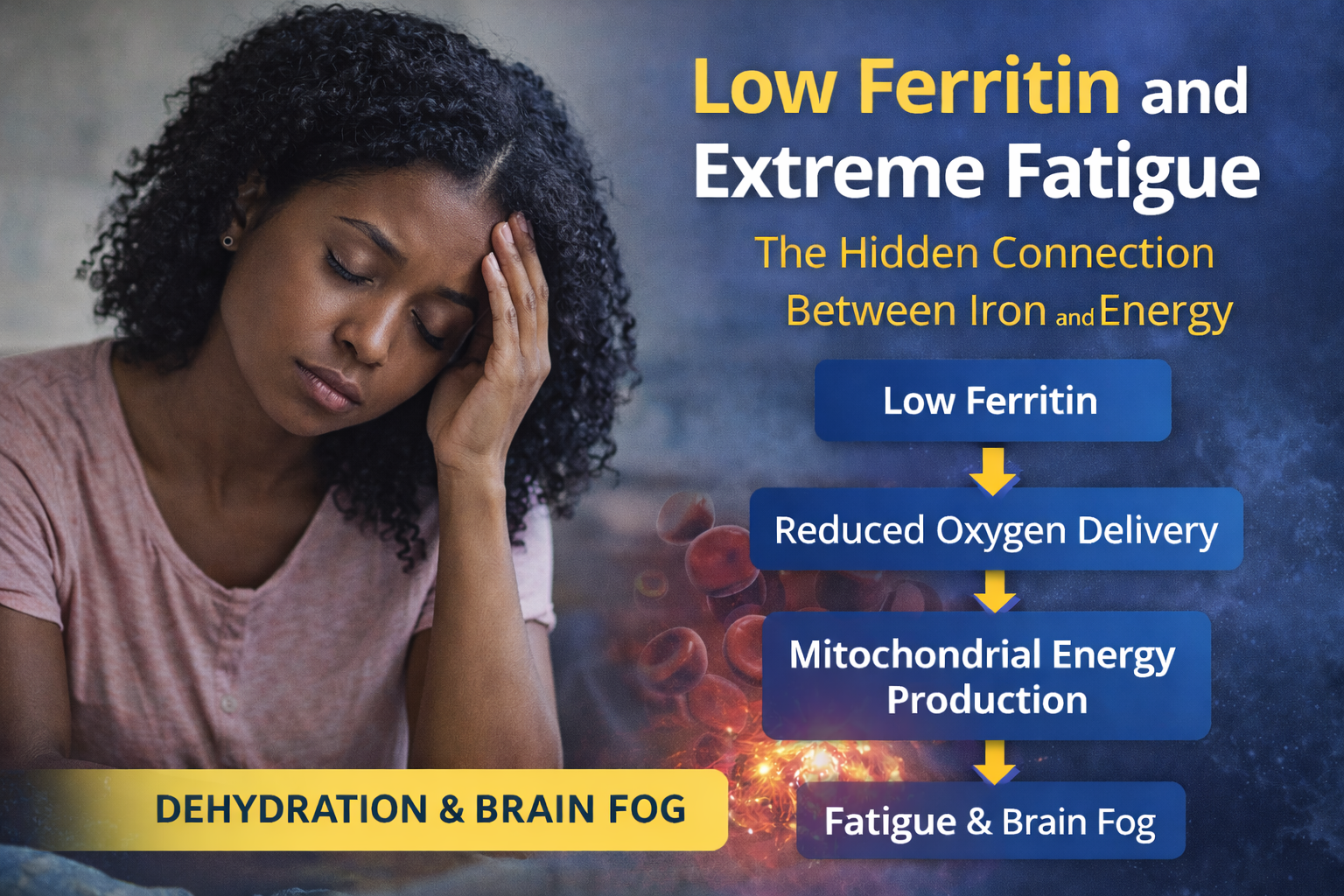
Ferritin is a protein that stores iron inside the body. Iron is essential because it helps transport oxygen through the bloodstream and supports cellular energy production.
When ferritin levels become low, the body may struggle to deliver adequate oxygen to tissues. This can affect the brain, muscles, and metabolic processes that produce energy.
Many people with low ferritin experience symptoms such as:
• persistent fatigue
• brain fog
• poor concentration
• reduced exercise tolerance
• dizziness
• headaches
• cold intolerance
In some cases, these symptoms appear long before anemia is diagnosed.
Why Ferritin Matters for Energy Production
Iron plays a critical role in mitochondrial metabolism.
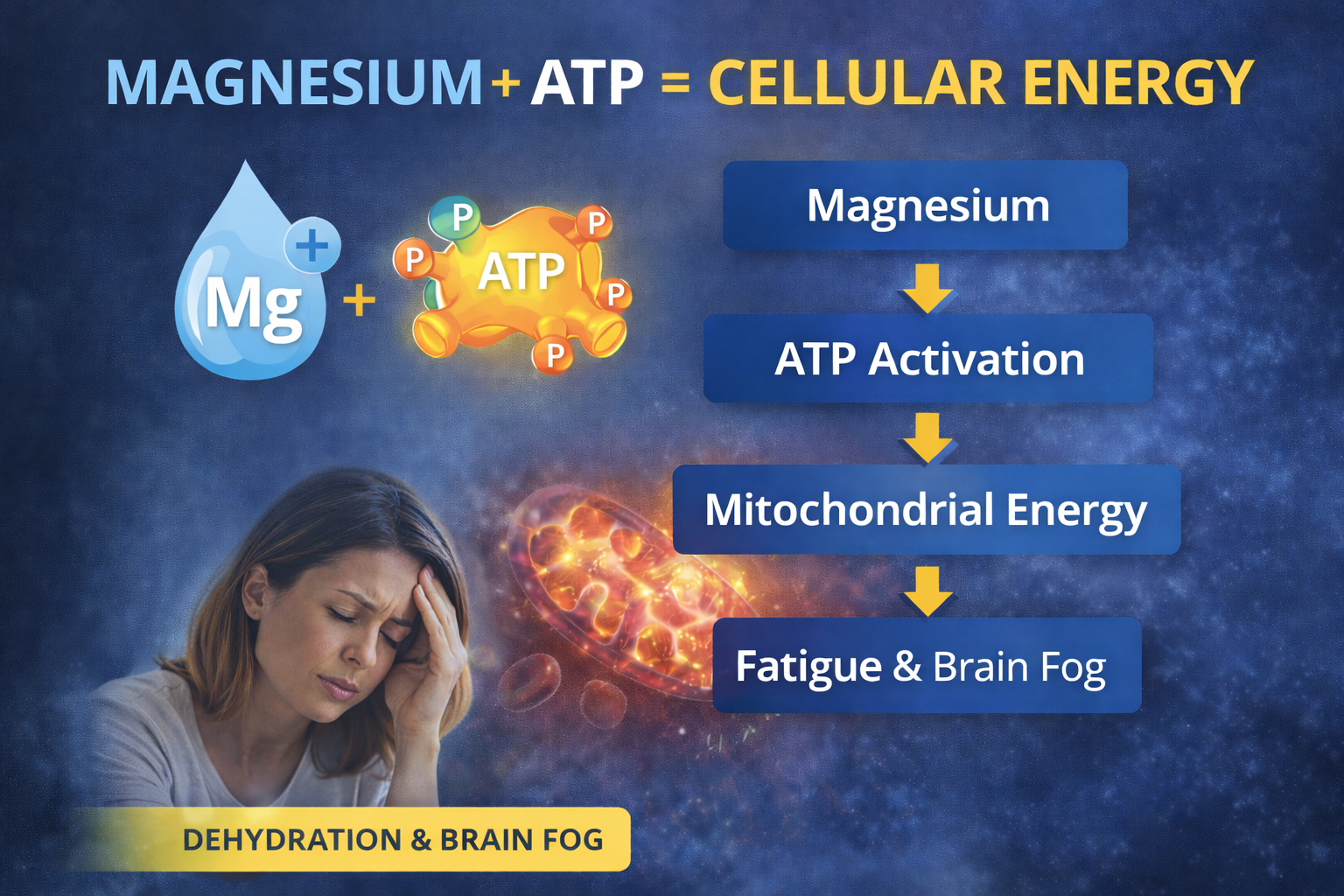
Mitochondria are responsible for producing ATP, the primary energy currency of the body. Iron-containing enzymes are involved in the electron transport chain, which is the final stage of ATP production.
When iron availability is reduced, the efficiency of this process may decline, which can contribute to fatigue and reduced physical endurance.
To understand how this process works, you can explore our guide on:
Cellular Energy Framework
https://cellushine.net/pages/cellular-energy-framework
Ferritin vs Hemoglobin: Why Symptoms Can Appear Early
Many routine blood tests focus on hemoglobin to detect anemia.
However, ferritin often declines before hemoglobin changes.
Someone can have:
• normal hemoglobin
• normal hematocrit
• normal red blood cell count
while still having low ferritin stores.
Because ferritin reflects stored iron, it may provide early insight into iron availability before anemia develops.
Symptoms Commonly Associated with Low Ferritin
Low ferritin can influence multiple physiological systems.
Common symptoms may include:
• fatigue despite normal labs
• brain fog
• hair thinning
• shortness of breath during exercise
• restless legs
• headaches
• reduced stamina
These symptoms may occur even when iron levels fall within standard reference ranges.
This is part of the broader concept explained in our guide:
Optimal vs Standard Lab Ranges
https://cellushine.net/pages/optimal-vs-standard-lab-ranges
Ferritin, Oxygen Delivery, and Brain Function
Iron supports the production of hemoglobin, which carries oxygen through the bloodstream.
The brain consumes a large portion of the body's oxygen supply. When oxygen delivery becomes less efficient, symptoms such as fatigue, poor concentration, and mental fog can develop.
This is why some individuals notice improvements in mental clarity when iron status improves.
Why Ferritin Levels May Become Low
Several factors can influence iron and ferritin levels.
Common contributors include:
• low dietary iron intake
• menstrual blood loss
• pregnancy
• gastrointestinal absorption issues
• chronic inflammation
• endurance exercise
Understanding these factors can help explain why iron stores change over time.
Why Lab Interpretation Matters
Iron metabolism involves multiple markers that interact together.
These may include:
• ferritin
• serum iron
• total iron binding capacity
• transferrin saturation
• inflammatory markers
Looking at these markers individually may not always provide a complete picture. Evaluating patterns across several markers may provide additional insight into metabolic function.
To learn more about how lab markers interact, see our guide on:
Blood Lab Interpretation
https://cellushine.net/pages/educational-blood-lab-interpretation
When It May Help to Review Your Blood Work
If you have experienced fatigue, brain fog, or low energy despite normal lab results, reviewing your blood work from a broader perspective may be helpful.
Many people discover that the issue involves patterns across multiple markers, rather than one abnormal number.
You can learn more about how these patterns are evaluated by visiting:
Frequently Asked Questions
Can low ferritin cause fatigue?
Yes. Ferritin reflects stored iron in the body. Low ferritin may reduce iron availability for oxygen transport and cellular energy production, which can contribute to fatigue.
Can ferritin be low without anemia?
Yes. Ferritin often declines before hemoglobin levels change. Someone can experience symptoms related to low iron stores even if anemia has not developed.
What ferritin level causes fatigue?
Fatigue symptoms can vary between individuals. Some people experience symptoms when ferritin levels fall within the lower portion of the standard reference range.
Can low ferritin cause brain fog?
Iron plays a role in oxygen delivery and cellular metabolism. When iron availability is reduced, some individuals report difficulty concentrating or mental fatigue.
References
-
Camaschella C. Iron deficiency. New England Journal of Medicine. 2015.
-
Haas JD, Brownlie T. Iron deficiency and reduced work capacity. Journal of Nutrition. 2001.
-
Beard JL. Iron biology in immune function and brain development. Journal of Nutrition. 2001.