Can Dehydration Cause Brain Fog?
Yes — dehydration can contribute to brain fog.
Your brain is approximately 70–75% water, and it depends heavily on proper hydration to maintain circulation, oxygen delivery, and electrolyte balance. When hydration levels drop, the brain may not function as efficiently, which can lead to symptoms such as:
• difficulty concentrating
• mental fatigue
• headaches
• slower thinking
• dizziness
• reduced alertness
For many people, these symptoms appear long before a lab test shows a clear abnormality.
This is one reason people often say:
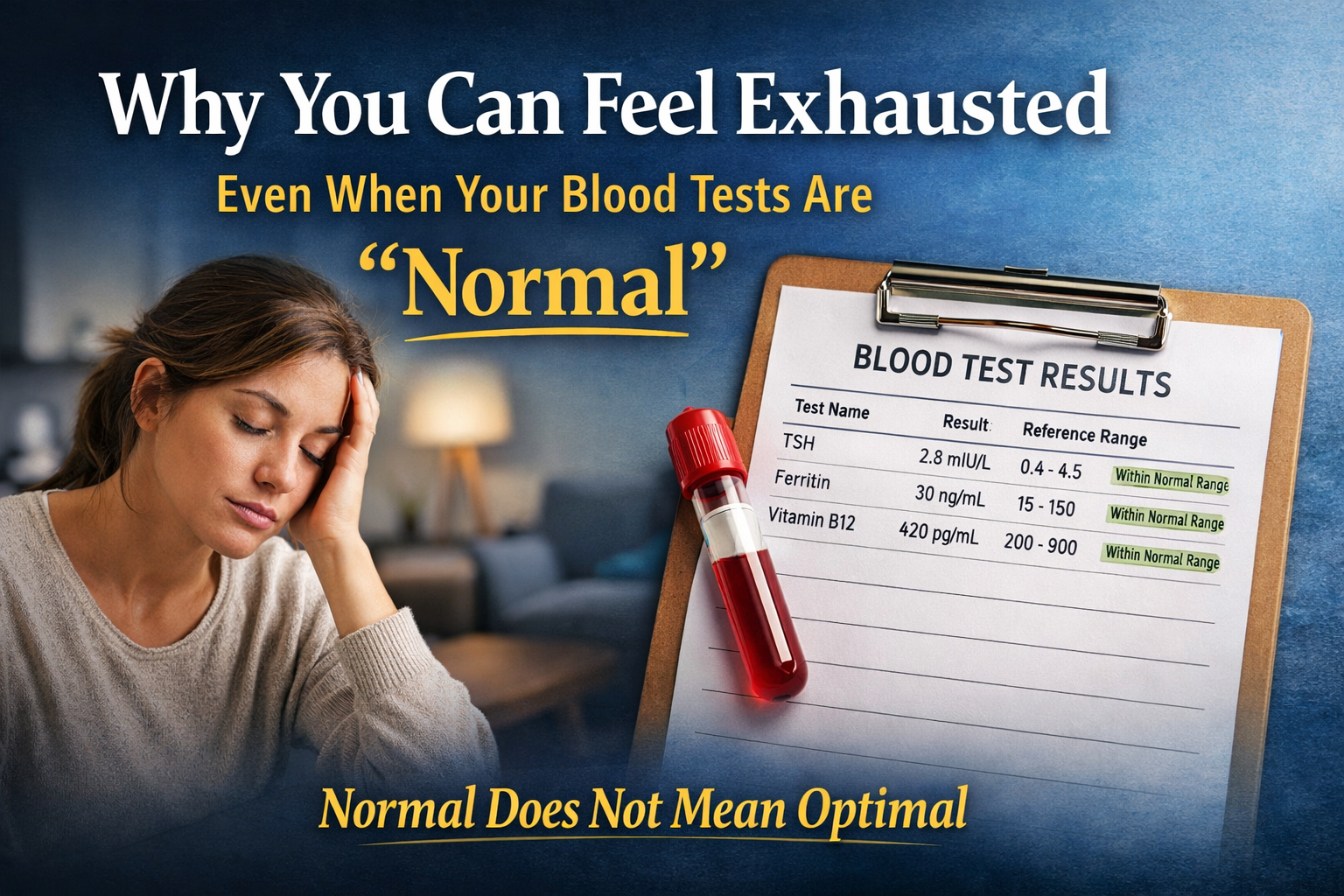
“My labs are normal, but I still feel exhausted or foggy.”
If that sounds familiar, you may want to explore our guide explaining why people feel tired even when blood tests appear normal.
Learn more:
https://cellushine.net/pages/why-am-i-tired-if-my-labs-are-normal
Why Hydration Affects Brain Function
Hydration influences several important physiological systems.
1. Blood Circulation
Dehydration can slightly reduce plasma volume, which may affect circulation and oxygen delivery to the brain.
The brain is highly sensitive to changes in oxygen and nutrient delivery, and even small changes may affect concentration and cognitive performance.
2. Electrolyte Balance
Electrolytes such as sodium, potassium, and magnesium help regulate nerve signals, muscle function, and cellular metabolism.
If hydration is poor or electrolyte balance is disrupted, communication between nerve cells may become less efficient.
You can learn more about this process in our guide on:
Hydration and Electrolytes
https://cellushine.net/pages/hydration-electrolytes
3. Cellular Energy Production
The brain consumes a large amount of the body's energy supply.
Inside every cell are small structures called mitochondria that produce ATP (adenosine triphosphate) — the energy currency of the body.
Hydration and mineral balance support the metabolic processes that allow mitochondria to produce energy efficiently.
For a deeper explanation of how this works, see our guide on:
Cellular Energy Framework
https://cellushine.net/pages/cellular-energy-framework
Signs Dehydration May Be Affecting Your Energy
Many people assume dehydration only causes thirst, but the body often shows earlier warning signs.
Symptoms sometimes associated with dehydration include:
• brain fog
• fatigue or low energy
• headaches
• dizziness
• muscle cramps
• difficulty concentrating
• dry skin or dry mouth
If these symptoms improve after restoring hydration or electrolyte balance, dehydration may have been contributing to the issue.
Why Water Alone Is Not Always Enough
Hydration involves more than just drinking water.
The body relies on electrolytes to regulate fluid balance and maintain proper cellular function. Electrolytes help control:
• nerve signaling
• muscle contraction
• fluid balance
• energy metabolism
If electrolyte levels become depleted through stress, sweating, poor diet, or illness, simply drinking large amounts of water may not fully restore hydration balance.
This is why many hydration strategies focus on both water intake and mineral balance.
Why Your Blood Tests May Still Look “Normal”
Standard blood tests are designed primarily to detect disease states, not subtle metabolic stress.
Someone can experience:
• mild dehydration
• nutrient insufficiency
• electrolyte imbalance
• inefficient cellular energy production
while still having lab values within standard reference ranges.
This gap between how someone feels and what lab tests show is a common theme discussed in our guide on:
Optimal vs Standard Lab Ranges
https://cellushine.net/pages/optimal-vs-standard-lab-ranges
Understanding how lab patterns relate to metabolic function can often provide additional insight into symptoms such as fatigue or brain fog.
Looking at Lab Patterns Instead of Single Numbers
Many symptoms related to fatigue, brain fog, or low energy are influenced by patterns across multiple lab markers rather than one value alone.
These patterns may involve areas such as:
• iron and ferritin levels
• vitamin and mineral balance
• thyroid hormone activity
• inflammatory markers
• blood sugar regulation
If you want to understand how these markers interact, you may find our educational resource helpful:
Blood Lab Interpretation Guide
https://cellushine.net/pages/educational-blood-lab-interpretation
When It May Help to Have Your Labs Reviewed
If you’ve had blood work done but still feel fatigued or mentally foggy, reviewing your labs from a pattern perspective may provide additional insight.
Many people discover that the issue is not a single abnormal value but a combination of factors related to:
• hydration and electrolyte balance
• nutrient availability
• metabolic stress
• cellular energy production
If you’d like to learn more about how these patterns are evaluated, you can explore the resources available on our homepage:
Visit CelluShine
https://cellushine.net
The Bigger Picture Behind Fatigue and Brain Fog
Dehydration is only one potential factor.
Symptoms like fatigue and brain fog may also involve areas such as:
• iron or ferritin levels
• mitochondrial energy production
• thyroid hormone function
• inflammation
• nutrient balance
To explore these topics in more depth, you may find these resources helpful:
Metabolic Nutrient Framework
https://cellushine.net/pages/metabolic-nutrient-framework
Mitochondrial Dysfunction
https://cellushine.net/pages/mitochondrial-dysfunction
Together, these guides explain how metabolic processes influence energy production throughout the body.
Frequently Asked Questions
Can dehydration really cause brain fog?
Yes. Research suggests even mild dehydration may affect cognitive performance, concentration, and mental clarity.
How much dehydration causes symptoms?
Studies suggest cognitive effects can appear when body water levels drop by as little as 1–2%, especially during heat exposure or physical activity.
Does drinking water fix brain fog?
In some cases hydration can improve symptoms, particularly if dehydration was contributing to the problem. However, persistent fatigue or brain fog may involve additional factors such as nutrient status or metabolic stress.
Why do my blood tests look normal if I feel exhausted?
Standard lab reference ranges are designed to detect disease. Subtle metabolic imbalances or early physiological stress may occur before lab values fall outside standard ranges.
What lab markers can relate to fatigue?
Markers sometimes evaluated in fatigue patterns include:
• ferritin
• vitamin D
• thyroid hormones
• inflammatory markers
• blood glucose regulation
Understanding how these markers interact can provide a more complete picture of metabolic health.
References
-
Armstrong LE et al. Hydration and cognitive performance. Nutrition Reviews. 2012.
-
Popkin BM et al. Water, hydration and health. Nutrition Reviews. 2010.
-
Benton D. Dehydration influences mood and cognition. British Journal of Nutrition. 2011.
-
Lieberman HR. Hydration and cognitive function. Journal of the American College of Nutrition. 2007.