Ferritin Levels & Cellular Energy: Why Low-Normal Feels Draining in the KC Metro
Residents across the Kansas City metro—including Lee’s Summit, Overland Park, Blue Springs, and surrounding communities— often describe feeling constantly drained, foggy, or unmotivated, even when standard blood panels come back “normal.”
One overlooked piece in this puzzle is ferritin, the storage form of iron in the body.
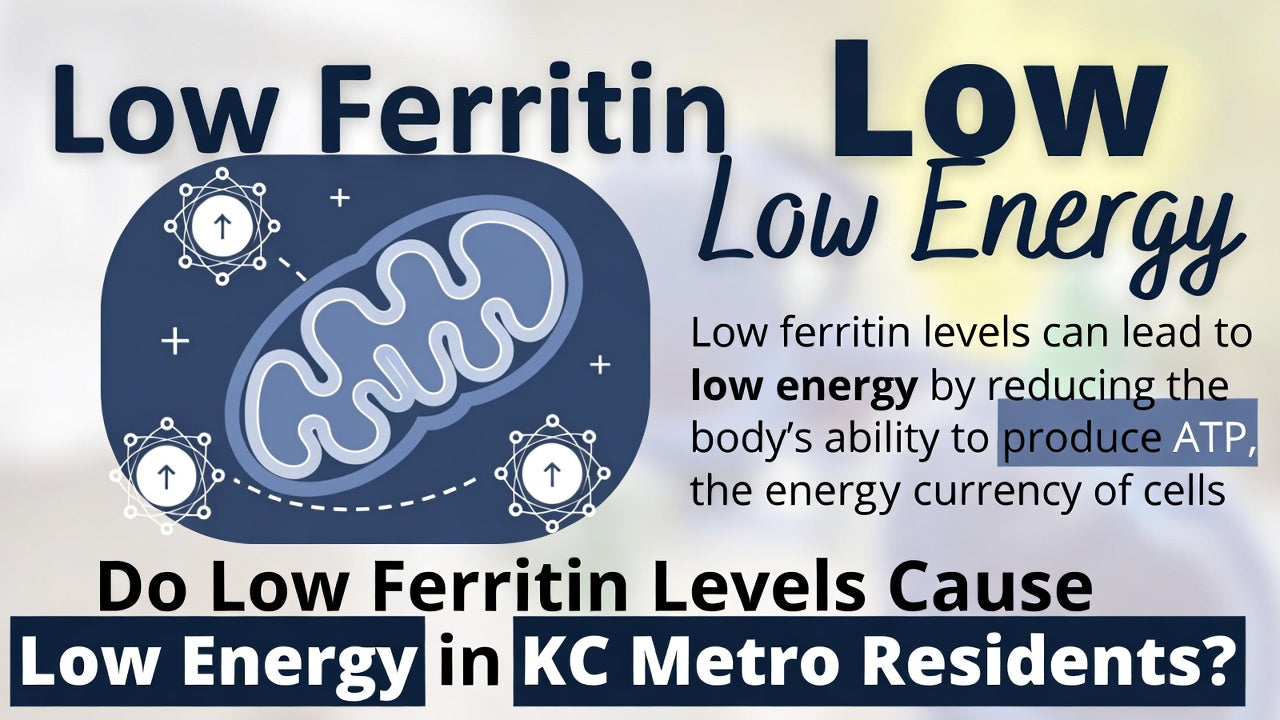
While hemoglobin might appear normal—ruling out classic anemia—low-normal or borderline ferritin can quietly impair cellular energy production. Iron is essential for mitochondria to generate ATP efficiently, and when reserves dip into suboptimal territory, symptoms like fatigue may emerge long before labs flag a clear deficiency.
This pattern is common in busy Kansas City metro lifestyles. Stress, demanding schedules, and nutrient turnover can compound the issue.
Understanding ferritin’s role helps explain why many residents feel “off” despite reassuring laboratory results.
For a broader systems-level explanation of these root causes, explore Functional Medicine in Lee’s Summit.
Why Ferritin Matters for Mitochondrial Energy in the KC Metro
Mitochondria rely on iron in the electron transport chain, a key component of oxidative phosphorylation responsible for producing ATP.
ATP is the body’s primary energy currency, fueling nearly every biological function including:
-
muscle activity
-
brain function
-
hormone signaling
-
metabolic regulation
Ferritin acts as the storage reservoir for iron, releasing it when needed for hemoglobin, myoglobin, and mitochondrial enzymes.
In the Kansas City area, where searches for fatigue with normal labs and brain fog in KC are increasingly common, low-normal ferritin often correlates with reduced oxygen utilization at the cellular level.
This creates metabolic inefficiency—less ATP per oxygen molecule—leading to quicker exhaustion, slower recovery, and reduced mental clarity.
Even without anemia, suboptimal iron reserves can place strain on mitochondrial energy production.
To understand how iron fits into broader energy metabolism, see the Cellular Energy Framework.
Low-Normal Ferritin: Patterns That Signal Energy Strain
Ferritin reference ranges vary slightly by laboratory, but commonly include:
Women: approximately 15–150 ng/mL
Men: approximately 30–300 ng/mL
However, “normal” does not always mean optimal for energy metabolism.
Many individuals across the Kansas City metro report fatigue when ferritin levels sit within the lower portion of these ranges.
Common patterns include:
Women
Energy symptoms often appear when ferritin falls below 50–70 ng/mL
Men
Fatigue patterns sometimes appear below 60–80 ng/mL
These lower zones may limit iron availability for mitochondrial cytochromes and heme proteins, reducing aerobic energy output.
Symptoms may include:
-
persistent tiredness despite rest
-
brain fog or difficulty concentrating
-
reduced stamina during exercise
-
slower recovery from activity or stress
These situations often represent a gray zone of metabolic strain rather than overt deficiency.
To learn more about related lab markers connected to fatigue, see Blood Test Markers That Affect Energy, Fatigue, and Brain Fog.
Why Symptoms Appear Before Lab Abnormalities
Standard laboratory testing focuses primarily on identifying disease thresholds.
For example, ferritin levels below approximately 15–30 ng/mL may trigger clinical concern for iron deficiency.
However, mitochondria and energy systems have substantial compensatory capacity.
Symptoms such as fatigue can develop gradually as nutrient reserves decline—even while values remain within reference ranges.
In Lee’s Summit and the KC metro, lifestyle factors may accelerate this pattern:
-
chronic stress increases nutrient turnover
-
poor sleep reduces metabolic recovery
-
modern diets may provide limited bioavailable iron
Ferritin levels may drop subtly while mitochondrial efficiency slowly declines.
To better understand how laboratory patterns can be interpreted together, explore Educational Blood Lab Interpretation.
Functional Medicine Perspective on Ferritin and Energy
Many residents exploring persistent fatigue begin researching functional medicine in Lee’s Summit.
Functional medicine perspectives often examine how biological systems interact—including nutrition, inflammation, mitochondrial function, and hormonal signaling.
This broader view may help explain why borderline ferritin levels sometimes correlate with fatigue, even when conventional tests appear normal.
CelluShine focuses on educational approaches that help individuals understand how laboratory patterns relate to cellular metabolism and energy production.
CelluShine provides educational tools to decode these patterns—not medical diagnosis or treatment.
For a full overview of this educational approach, explore Functional Medicine in Lee’s Summit.
Ferritin in the KC Metro Lifestyle Context
Daily life in the Kansas City region can place additional demands on iron metabolism.
Common contributing factors include:
-
demanding work schedules
-
chronic stress
-
nutrient-depleted diets
-
intense exercise
-
menstrual blood loss
-
digestive absorption challenges
When these factors combine, ferritin reserves may decline faster than expected.
Understanding ferritin patterns can help individuals ask more informed questions about their health and energy.
Looking Beyond Ferritin Alone
Ferritin does not act independently.
Iron metabolism interacts with several other physiological systems including:
-
Vitamin D and B vitamins involved in mitochondrial metabolism
-
Inflammation markers such as CRP, which can influence ferritin interpretation
-
Thyroid hormone conversion, which affects metabolic energy output
Examining these markers together provides a more complete picture of cellular energy balance.
To explore how nutrients interact within metabolic pathways, see the Metabolic Nutrient Framework.
Frequently Asked Questions
Why can low-normal ferritin cause fatigue?
Ferritin reflects stored iron used in mitochondrial ATP production. When reserves fall toward the lower end of the reference range, cellular energy production may become less efficient.
What ferritin levels are associated with better energy?
Many individuals report improved energy when ferritin levels are above approximately 50–70 ng/mL, although optimal levels vary between individuals.
How does ferritin influence mitochondrial function?
Iron supports enzymes and cytochromes within the mitochondrial electron transport chain. Without sufficient iron, ATP production may become less efficient.
Why are people in the Kansas City area researching ferritin and fatigue?
Many individuals experiencing fatigue or brain fog begin exploring nutrient markers such as ferritin when routine laboratory tests do not fully explain their symptoms.
References
Institute for Functional Medicine
National Institutes of Health – Iron Metabolism
Soppi ET. Iron deficiency without anemia
Al-Naseem A. Iron deficiency without anaemia
Wallace DC. Mitochondrial bioenergetics in health and disease
Filler K et al. Association of mitochondrial dysfunction and fatigue
Written by
Richard Prather DC
Continue Reading in the CelluShine Education Series
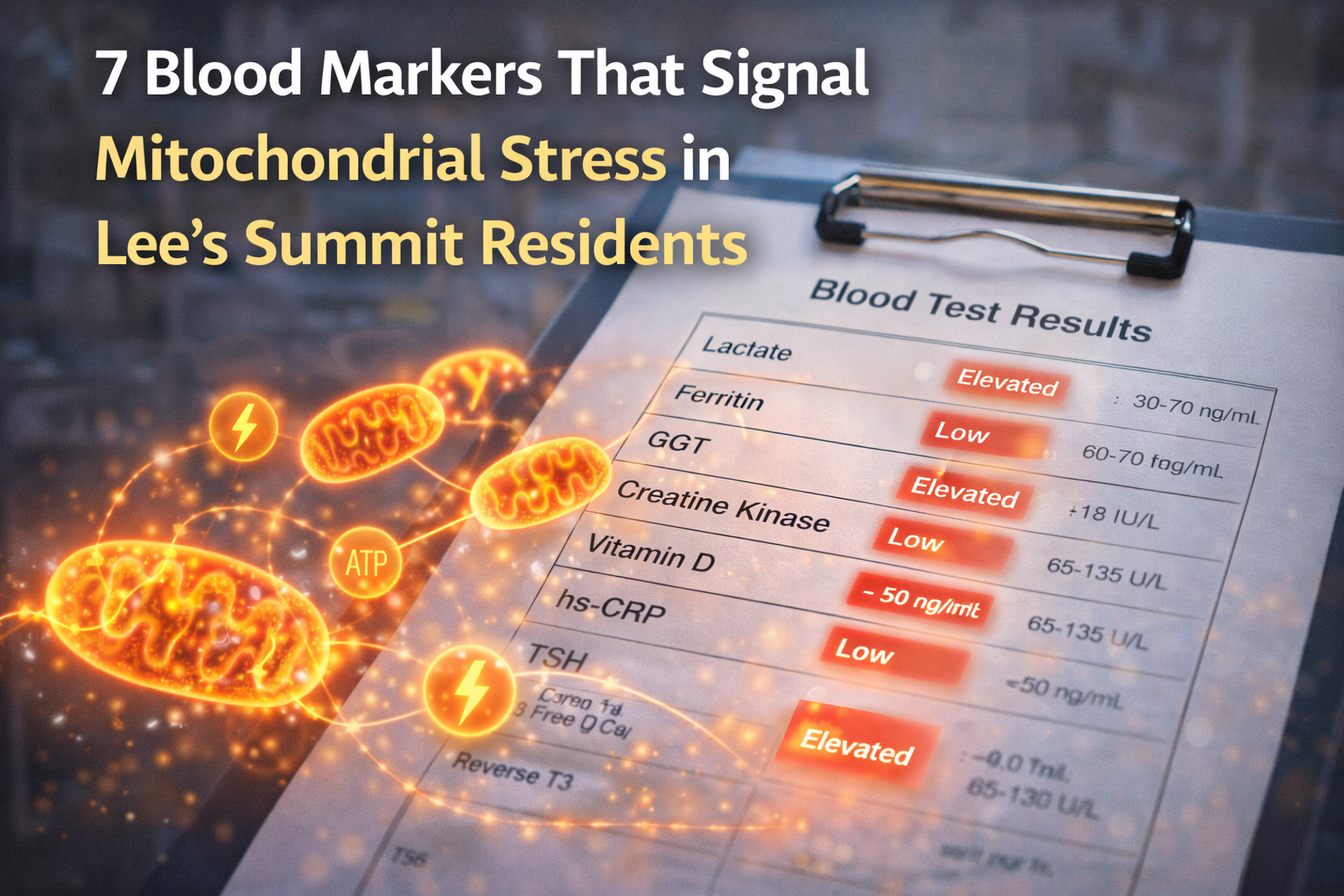
7 Blood Markers That Signal Mitochondrial Stress in Lee’s Summit Residents
Mitochondrial Dysfunction: The Hidden Cause of Fatigue in Lee’s Summit
Why Lee’s Summit Residents Feel Exhausted Despite “Normal” Blood Tests