Brain Fog and Low Energy in Lee’s Summit: Beyond Thyroid and Iron
Many people across Lee’s Summit, Kansas City, the KC metro, Overland Park, and Blue Springs describe the same frustrating pattern: they feel tired, foggy, unfocused, or mentally slow, yet basic blood work comes back “normal.”
Often, the first questions revolve around thyroid and iron. Those are important. But they are not the whole story.
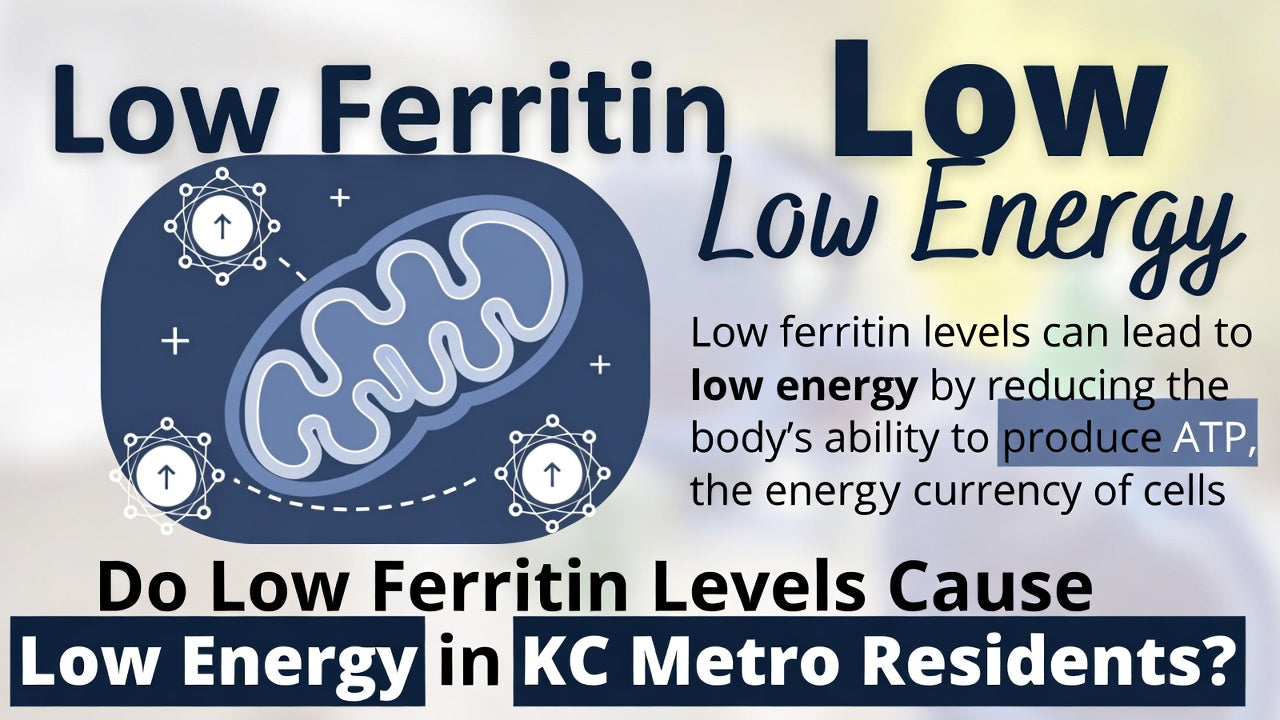
Energy production happens at the cellular level, and the brain is especially sensitive to small drops in metabolic efficiency. When mitochondria are not producing energy efficiently, people may notice brain fog, low stamina, reduced motivation, and slower recovery even before standard lab work looks clearly abnormal. Mitochondria are the main sites of ATP production, and the brain is one of the body’s highest ATP consumers.
For a broader overview of this systems-based approach, explore Functional Medicine in Lee’s Summit.
Why Brain Fog Is Often an Energy Problem
The brain needs a constant supply of energy to maintain focus, memory, mood, and mental clarity. ATP powers signaling between brain cells, supports cellular repair, and helps maintain normal neurological function. Because mitochondria are central to ATP production, even subtle inefficiency can affect how a person feels mentally and physically.
That is one reason a person may feel mentally drained even when standard screening labs do not show a major disease pattern.
To understand this concept more deeply, see the Cellular Energy Framework and Mitochondrial Dysfunction.
Looking Beyond Thyroid and Iron
Thyroid hormones and iron status absolutely matter. But low energy and brain fog can also be influenced by a wider network of factors, including:
-
mitochondrial ATP production
-
hydration status
-
electrolyte balance
-
magnesium availability
-
vitamin status
-
inflammation
-
blood sugar regulation
This is why a person can have thyroid markers that appear acceptable, ferritin that sits inside the lab range, and still feel far from optimal.
That broader pattern-based view is a major reason many people start exploring Educational Blood Lab Interpretation and Optimal vs Standard Lab Ranges.
Hydration and Mental Clarity
Hydration is often underestimated in conversations about brain fog. Research has shown that dehydration can negatively affect attention, short-term memory, mood, and cognitive performance, while rehydration may improve fatigue and attention in some settings.
In practical terms, even mild shifts in hydration and electrolyte balance may contribute to:
-
reduced concentration
-
mental fatigue
-
headaches
-
feeling “off” during the day
For more on this topic, visit Hydration & Electrolytes.
Magnesium, ATP, and Energy Output
Another overlooked factor is magnesium. Magnesium is involved in energy metabolism and is part of the Mg-ATP complex, making it relevant to hundreds of enzymatic reactions tied to cellular function. Low magnesium status may affect energy production, nerve signaling, and overall metabolic efficiency.
This helps explain why some people report fatigue, muscle tension, poor recovery, or mental sluggishness even when the most obvious markers do not immediately stand out.
To understand how nutrients interact in these broader metabolic pathways, review the Metabolic Nutrient Framework.
Functional Medicine Perspective
A functional medicine perspective does not usually look at one marker in isolation. Instead, it looks for patterns.
For example, someone in Lee’s Summit or the Kansas City area may report:
-
brain fog
-
low motivation
-
normal thyroid screening
-
ferritin that is technically normal
-
fluctuating hydration
-
subtle metabolic stress markers
Individually, each result may seem unremarkable. But together, they may help explain why energy production feels compromised.
CelluShine provides educational tools to decode these patterns—not medical diagnosis or treatment.
Another useful resource in this cluster is Blood Test Markers That Affect Energy, Fatigue, and Brain Fog.
Why This Matters in the KC Metro
Across Lee’s Summit, Overland Park, Blue Springs, and the wider KC metro, many people are juggling stress, long workdays, poor sleep, inconsistent meals, and dehydration. Those lifestyle pressures can increase nutrient demands and make it easier for energy-related symptoms to show up before standard labs flag a clear clinical problem.
That does not automatically mean disease is present. It does mean that physiology deserves a closer look.
Frequently Asked Questions
Can brain fog happen even if thyroid labs are normal?
Yes. Brain fog may relate to hydration, mitochondrial energy production, magnesium status, blood sugar patterns, inflammation, sleep, and other factors beyond thyroid alone.
Why does the brain feel low-energy before labs look abnormal?
The brain has high energy demands, and subtle inefficiencies in ATP production or hydration may affect cognition before standard disease thresholds are crossed.
Can dehydration really affect focus?
Yes. Published reviews and meta-analyses have found that dehydration can impair attention, mood, and aspects of cognitive performance.
Why are more people searching these topics in Lee’s Summit?
Many people feel poorly despite being told their labs are normal, so they begin looking for educational explanations related to metabolism, mitochondria, hydration, and nutrient patterns.
References
-
National Institutes of Health. Mitochondria and health.
-
Casanova A, et al. Mitochondria: It is all about energy.
-
Cunnane SC, et al. Brain energy rescue: an emerging therapeutic concept for cognitive decline.
-
Adan A. Cognitive performance and dehydration.
-
Wittbrodt MT, et al. Dehydration Impairs Cognitive Performance: A Meta-analysis.
-
Kröse JL, et al. Magnesium biology.